


Home2026-01-05T09:48:41+00:00

Parent Coaching for Developmental Trauma

You found us! We are so excited to meet you! Parenting a child with developmental trauma can be challenging, lonely, chaotic, frustrating, create self doubt, leave you feeling inept and empty, and put strains on even the closest of relationships.

Two men and a young girl sit on a couch, smiling and laughing together in a warmly lit living room.

About The Adoption Projects

We have been providing guidance and tools to trauma parents, based on real life experiences since 2014. With our experience in fostering, adopting, and through research, we have tried the tools we teach, and know they work. We are here to help other parents and families succeed in parenting trauma children.

Parenting trauma children requires skills that aren’t traditional in parenting nature.

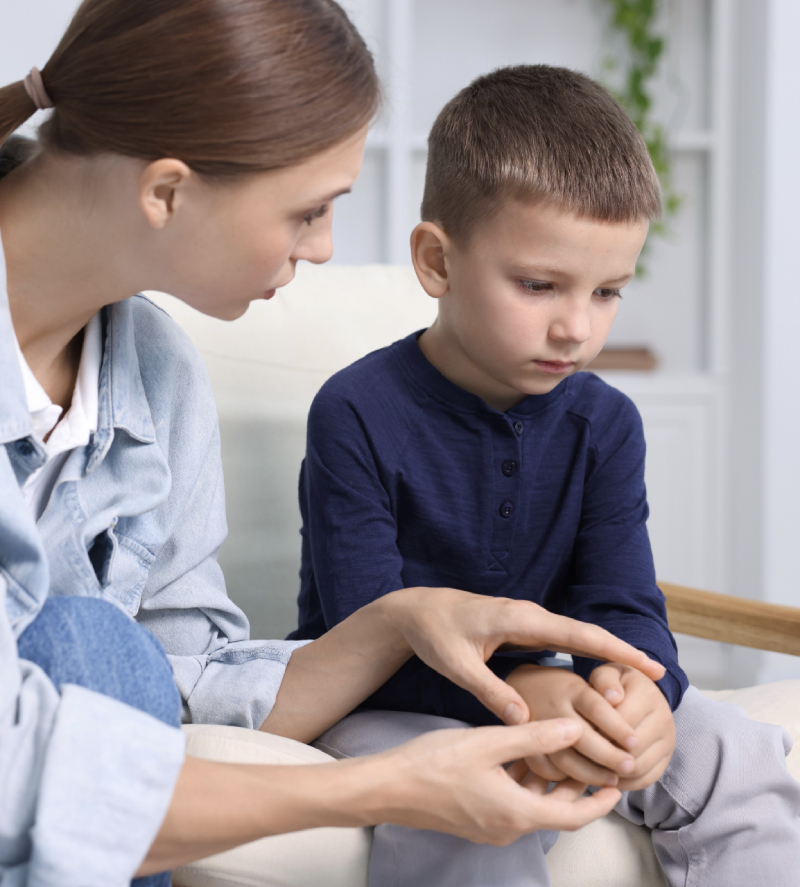
You will be parenting children who have experienced developmental trauma*, formerly known as reactive attachment disorder*. The impacts of developmental trauma for your child can be difficult to overcome, and very challenging to parent. We’ll guide you to learn these valuable tools:
  • create a safe home environment that fosters healing and bonding
  • understanding and teaching your child what a family kid is
  • creating routines and schedules
  • ways to provide bonding and attachment opportunities at home
  • baby wearing for attachment
  • staying connected to your partner, other children, extended family, and friends
  • healthy and safe boundaries for the whole family
  • parenting risky behaviors such as running away, cutting, aggression, physical violence, destruction of property, etc.
  • creating confident safety plans to protect your child and others from risky behaviors
  • preparing and being preventative for big events such as birthdays and holidays
  • recognizing secondary trauma and PTSD in yourself
  • caring for traumatized sibling groups
  • dealing with parentified or therapized behaviors
  • how to navigate trauma bonds between siblings
  • what you need to look for in a therapist
  • when and how to look for treatment outside of the home
  • engaging your child’s professionals for the maximum team effort
  • getting the most out of an IEP or 504 Plan
  • guidance for other services outside of therapy
  • taking breaks and finding respite
  • how to calm your child in escalation or a rage
  • responding versus reacting
  • when and when not to respond to annoying and unhealthy behaviors
  • how to eliminate annoying and unhealthy behaviors
  • consequences versus punishment
  • parenting high behaviors such as triangulation and manipulation
  • handling lying, stealing, cheating
  • what to do when your potty trained child defecates or urinates outside of the toilet
  • parenting techniques that prevent BIG behaviors that come from BIG feelings
  • how to talk about emotions and connecting the brain to body feelings
  • effectively communicating with your child
  • coping skills that you can use, and teach your child to use

  • investing in self care, the real kind

Developmental Trauma

What Is Developmental Trauma?

(formerly known as reactive attachment disorder) Developmental trauma, formerly known as reactive attachment disorder, requires an evaluation and diagnosis by a licensed professional. Most children that have developmental trauma have a history of sustained, perceived trauma in their developmental years, and experience a lack of or disrupted attachment to their parents and primary care givers.

Most often, it’s associated with physical abuse, sexual abuse, or neglect. Other traumas can include serious or chronic medical experiences, extended NICU or PICU stays, being a multiple in pregnancy, being a witness to domestic violence with parents and primary care givers, experiencing community and school violence, natural disasters, and/or a loss of a parent or primary care giver. Developmental trauma is widely present in the population of children that have histories or experiences of abuse, neglect, medical stress in their developmental years.

Common Signs And Patterns Parents Often Notice

It’s identified beginning at the age of 5 or older with signs and symptoms including, but are not limited too:

  • dysregulated emotionally, either negatively or positively
  • experiences of strong emotions
  • raging outside of what is developmentally expected
  • easily sensory overloaded, but also at times un-reactive
  • unaware of emotions and the sensation of emotions in their bodies
  • hypervigilant of their surroundings, often causing over reactivity
  • lack of personal boundaries
  • lack remorse and/or empathy

  • physically and/or verbally reactive and aggressive

  • risky behaviors, including self harm and thrill seeking behaviors

  • highly manipulative

  • unhealthy self soothing such as rocking and compulsive masturbation
  • difficulty accepting and carrying out directives, highly defiant
  • negative self images
  • inability to trust others
  • overly concerned for the health and safety of the parent/primary care giver
  • sometimes displays parentified behaviors
  • poor cause and affect
  • often targets Mom or mother type care giver with behaviors
  • displays a lack of physical or sexual boundaries in relationships

Early signs of developmental trauma are often recounted by primary givers, as early as infancy. Regardless of where you are with your developmental trauma child, we are here to prepare you as the parent or care giver!

Shop With Us

Once upon a time, a trauma mom named Jennifer took a chance, and reached out to me with a text message. We became fast friends. We met each other exactly where we were… in the ugly, lonely trenches of adoption.

In a particularly hard week, I received a text that said, ‘check your front porch’. I found a box full of snacks for my closet escape. I cried. It was everything to me in that moment.

And so, born was the idea of my Trauma Mama Friend Amazon List.

A woman with wavy brown hair and gold hoop earrings listens attentively to another person in an indoor setting.
Resources

Resources

These are some tips that will help you get the most out of your parent coaching experiences. You’ll also find our Good Reads list, brain building games, self care options, and other helpful resources.

What Our Clients Are Saying

“If I had known at the beginning what I know now, I would have fought harder in different ways.”

Lindsey, adoptive mom

“Rebecca was a lifeline for us in our time of crisis. She helped us navigate how to move forward in a broken mental health and family court system, wherever RAD and Complex Trauma is involved.  She was in our corner and such a comfort while we made some of the hardest decisions of our lives.  She continues to check on us and make sure we are okay, even now.  We wouldn’t be healing the way we are today without her.”

Baxter and Amy, adoptive mom

“The tools. I have been looking for these since we started the long road to a diagnosis of RAD for our son.”

Sarah, biological and adoptive mom, foster mom

“Parent coaching helped us analyze our own reactions, shift our parenting choices, make a plan on how to respond different and work towards healthier parenting strategies, and create a calmer, more structured home.”

Tryston, biological and adoptive mom

“It all makes sense now, which makes changing our parenting more logical. Our home is more peaceful and calm.”

Ashley and Mike, biological and adoptive parents

“We felt seen, like really seen by Rebecca.  She learned everything she could about our family, so she could meet us where we were, and help us be better together.  That meant everything to us!”

Anna, biological and adoptive parents

“We were in way over our heads with a sibling group of three. All with very different, but intense developmental trauma and needs.  Rebecca helped us learn how to manage and de-escalate the kids safely, how to keep ourselves safe, and put more specific structure into our daily routine, while keeping things as simple as possible.”

Michael, biological and adoptive parents

Read Our Latest Articles

Frequently Asked Questions

What is developmental trauma?2026-01-05T09:38:48+00:00

Developmental trauma is the impact of early, ongoing stress or maltreatment that disrupts a child’s sense of safety and attachment, often leading to intense, confusing, or high-risk behaviours. It requires evaluation and diagnosis by a licensed professional. The Adoption Project helps parents understand what this can look like at home and how to respond with safer, more effective parenting tools.

How can parent coaching help with developmental trauma?2026-01-05T09:39:02+00:00

Parent coaching helps you shift from traditional strategies to trauma-informed approaches that support safety, bonding, and attachment. The Adoption Project guides adoptive parents and caregivers with practical tools for managing high behaviours, reducing chaos at home, strengthening connection, and supporting the whole family system, including your partner and other children.

What are effective strategies for parent coaching in developmental trauma?2026-01-05T09:39:20+00:00

The Adoption Project focuses on real-world, trauma-sensitive strategies such as creating predictable structure, building healthy boundaries, responding instead of reacting, de-escalation for rage or shutdown, and strengthening parent-child attachment through daily connection and repair. Coaching also helps you collaborate more effectively with therapists, schools, and your broader “village” so your child experiences consistent support across environments.

Start With Support That Fits Your Family

Parenting a child with developmental trauma is incredibly hard — but you don’t have to do it without support. We’re here to walk with you, guide you, and help your family heal.

Go to Top