

Parenting children who have experienced trauma and adoption is one of the most meaningful and demanding roles a person can step into. These children carry stories that didn’t begin with us, and loving them well often requires emotional strength, patience, and resilience beyond what we imagined. In the midst of meeting their needs, it’s easy for parents to place themselves last. But self-care isn’t a luxury, it’s a necessity.
For me, self-care became a lifeline.
At one point, I realized I was running on empty. I loved my kids fiercely, but I couldn’t pour from a cup that was constantly drained. One of the most impactful decisions I made was to focus on my physical health. Over time, I lost 110 pounds, not as a pursuit of perfection, but as an act of survival and self-respect. Walking became a therapeutic experience for me. Step by step, I found space to breathe, think, and regulate my own nervous system, something trauma-informed parenting requires daily.
Connection was another crucial piece. Parenting trauma can feel isolating, especially when others don’t fully understand the behaviors, exhaustion, or emotional toll. I leaned heavily on a long-distance friend, and Marco Polo became our bridge. Those conversations, sometimes deep, sometimes light, reminded me that I was seen, supported, and not alone.
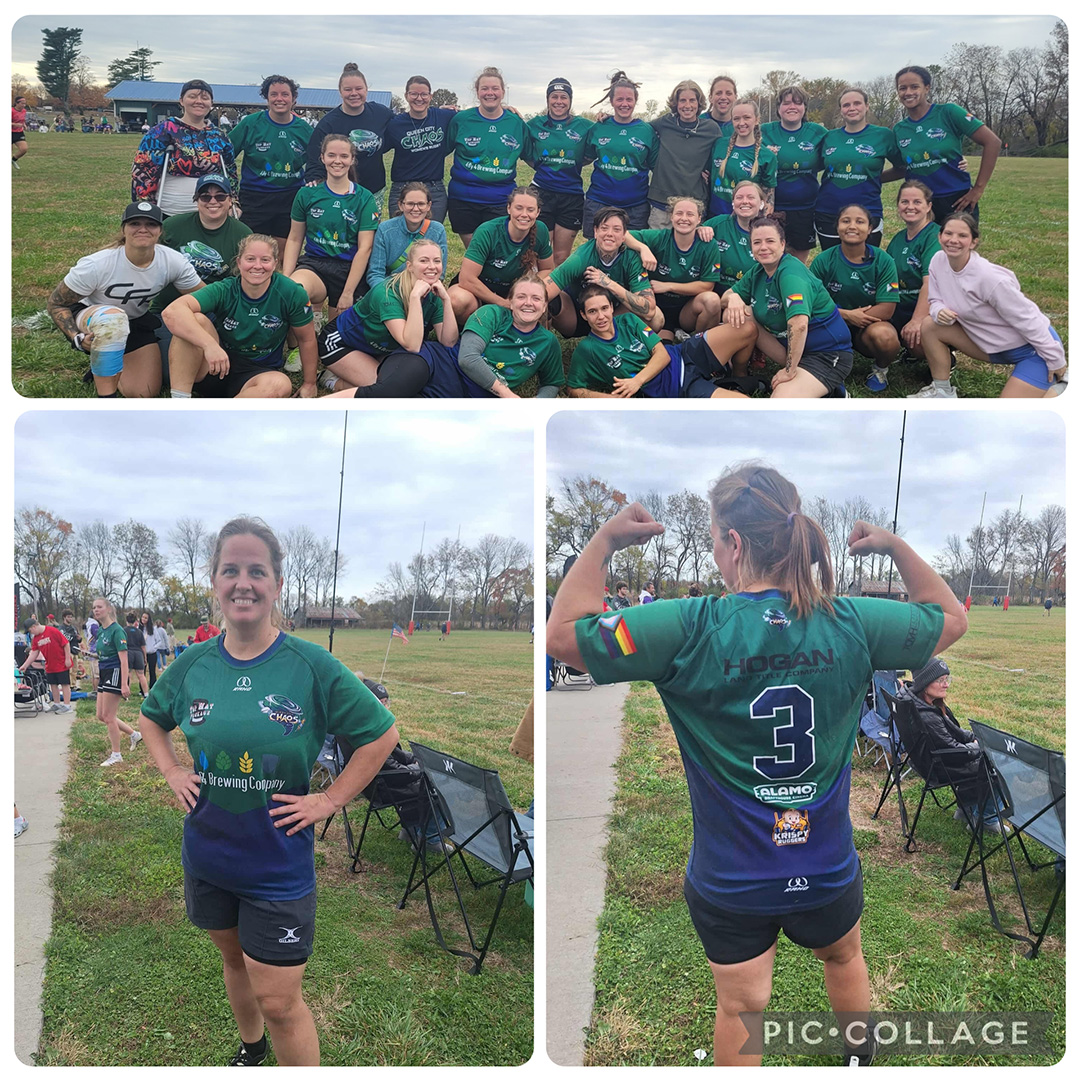
Perhaps one of the most important forms of self-care I embraced was reclaiming something just for me. I started playing rugby. It may sound counterintuitive for stress relief, but it gave me an outlet for strength, discipline, and release. It reminded me that I am more than a parent, more than a trauma responder. I am still a whole person with passions, grit, and strength.
When parenting children from hard places, we often focus on helping them heal. But our healing matters too. Taking care of ourselves models regulation, balance, and self-worth for our children. It also allows us to show up with more patience, empathy, and steadiness.
Self-care doesn’t have to be extravagant. Sometimes it looks like walking, talking to a friend, or finding a hobby that makes you feel alive again. Whatever it is, choose it. You are worth it, and so are the children who need you at your best.
Sandy La Bahn, LCSW, adopt mom, trauma mom, step mom, wife